Fiber vs. Fermented Foods: Which Boosts Gut Health?
Key takeaways
- Focus on: Understanding Your Gut Microbiome.
- Focus on: The Power of Fiber.
- Focus on: The Fermented Food Advantage.
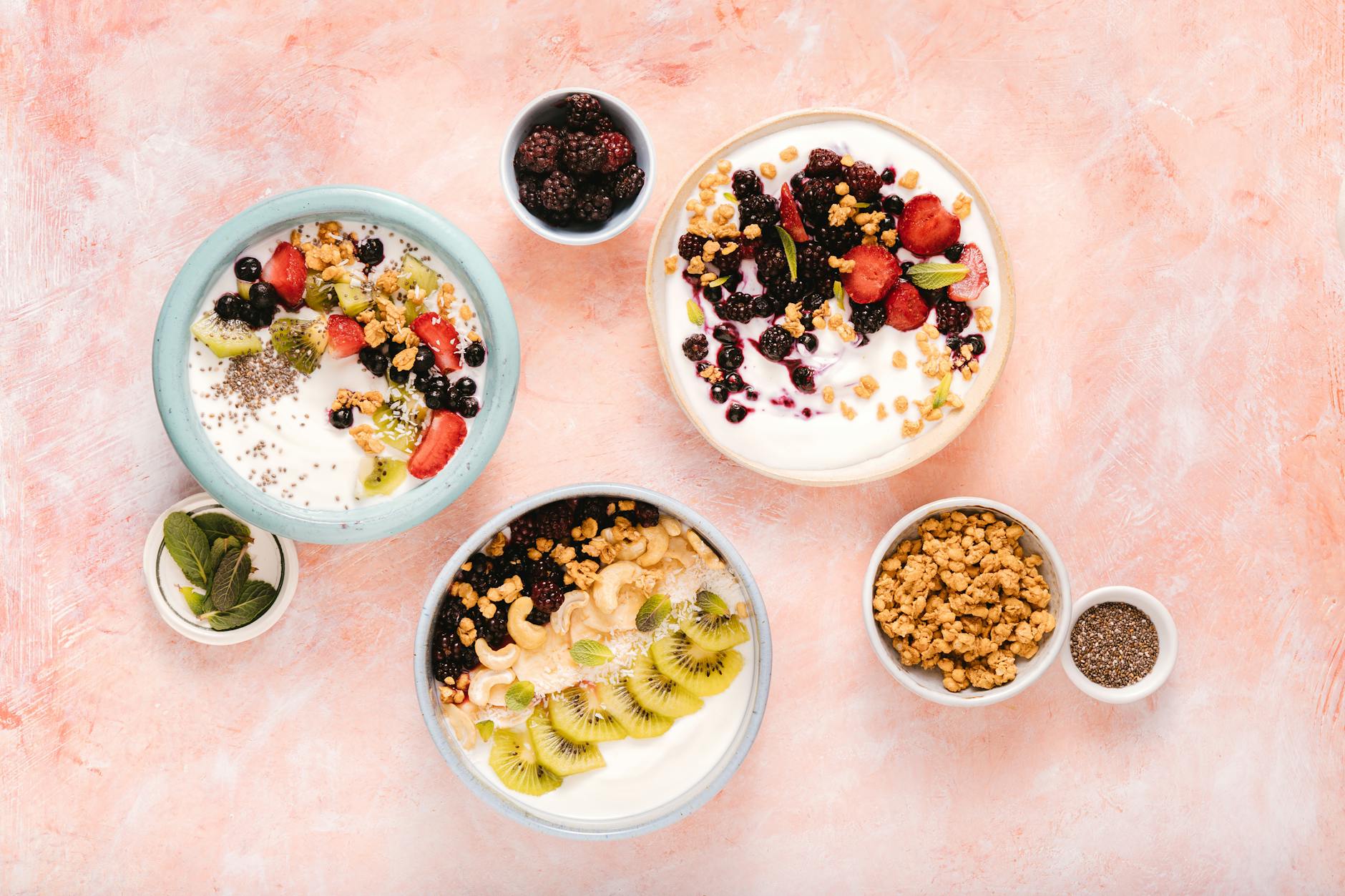
Understanding Your Gut Microbiome
Your gut microbiome is a complex ecosystem teeming with trillions of bacteria, fungi, and other microorganisms. These tiny residents play a crucial role in everything from digestion and nutrient absorption to immune function and even mood. Nurturing this internal world is key to overall well-being, and two powerful allies in this endeavor are fiber and fermented foods.
The Power of Fiber
Fiber, often overlooked, is a powerhouse for gut health. It acts as a prebiotic, meaning it feeds the beneficial bacteria in your gut. When these good bacteria ferment fiber, they produce short-chain fatty acids (SCFAs) like butyrate, which are vital for maintaining the integrity of your gut lining and reducing inflammation. Think of fiber as the fertilizer that helps your gut garden flourish.
Types of Fiber
- Soluble Fiber: Dissolves in water, forming a gel-like substance. Found in oats, beans, apples, and citrus fruits.
- Insoluble Fiber: Does not dissolve in water. Adds bulk to stool and helps with regularity. Found in whole grains, nuts, seeds, and vegetables like cauliflower and green beans.
Aiming for a variety of both soluble and insoluble fiber sources is ideal for a well-rounded approach. For more tips on boosting your fiber intake, check out our article on "Delicious Ways to Eat More Fiber."
The Fermented Food Advantage
Fermented foods are produced through a process where microorganisms break down carbohydrates into alcohols or acids. This process not only preserves the food but also introduces beneficial live bacteria, known as probiotics, directly into your digestive system. These probiotics can help rebalance your gut flora, especially after periods of stress or antibiotic use. Learn more about the benefits in our "Guide to Probiotic-Rich Foods."
Popular Fermented Foods
- Yogurt and Kefir: Dairy or non-dairy options rich in probiotics.
- Sauerkraut and Kimchi: Fermented cabbage dishes, often packed with flavor and beneficial bacteria.
- Kombucha: A fermented tea beverage.
- Miso and Tempeh: Soy-based fermented products.
Incorporating a serving of fermented food daily can make a significant difference. You can find simple recipes for homemade sauerkraut here.
Meal Timing and Gut Health
While what you eat is crucial, *when* you eat can also impact your gut. Eating meals at consistent times can help regulate your digestive system's natural rhythms. Allowing adequate time between meals, particularly before bed, can give your digestive system a much-needed break, potentially reducing issues like indigestion and improving sleep quality. Consider establishing a regular eating schedule as part of your "Healthy Habits for Better Digestion."
Putting It All Together: Practical Steps
The best approach to boosting gut health often involves a combination of strategies. You don't have to choose between fiber and fermented foods; they work synergistically!
Today's Action Plan:
- Start your day with fiber: Add oats, berries, or chia seeds to your breakfast.
- Include a fermented food: Add a spoonful of yogurt to your smoothie, or enjoy a side of kimchi with lunch.
- Hydrate: Drink plenty of water throughout the day to help fiber do its job.
- Mindful eating: Chew your food thoroughly and try to avoid large meals close to bedtime.
- Variety is key: Explore different types of fiber-rich foods and fermented options to keep your gut happy and diverse. For inspiration, see our "Gut-Friendly Meal Plan."
Frequently Asked Questions
Q1: Can I get too much fiber?
While rare, consuming excessive amounts of fiber too quickly can lead to bloating, gas, and discomfort. It's best to increase your fiber intake gradually and drink plenty of water.
Q2: Are all fermented foods safe for everyone?
Most fermented foods are safe, but individuals with specific sensitivities or histamine intolerance should proceed with caution. Start with small amounts to see how your body reacts.
Q3: How long does it take to see gut health improvements?
Consistency is key. Some people notice changes within a few weeks, while for others, it may take a few months of consistent healthy eating habits to experience significant improvements.
A Happier Gut Awaits
Nurturing your gut health is an ongoing journey, not a destination. By incorporating a variety of fiber-rich foods and beneficial fermented foods into your diet, and paying attention to meal timing, you're taking significant steps towards a healthier, happier you. Remember, small, consistent changes can lead to profound results. Educational only — not medical advice.