What Foods Naturally Lower Body Inflammation?
Key takeaways
- Many of us experience that general feeling of being sluggish, achy, or just not quite right.
- While various factors can contribute, chronic inflammation often plays a significant role.
- Focus on: Tired of Feeling Run Down?.
Tired of Feeling Run Down?
Many of us experience that general feeling of being sluggish, achy, or just not quite right. While various factors can contribute, chronic inflammation often plays a significant role. The good news? You don't need a complicated diet or expensive supplements to start making a difference. Your kitchen likely holds the keys to naturally reducing inflammation load with simple, everyday ingredients.
Understanding Inflammation
Inflammation is your body's natural response to injury or infection. It's a vital defense mechanism. However, when inflammation becomes chronic, it can contribute to a host of health issues. Think of it like a fire alarm that's stuck on – constantly signaling danger even when there's no immediate threat. This persistent state can impact everything from your energy levels to your long-term health.
Everyday Foods to Fight Inflammation
The power to combat inflammation often lies in the vibrant colors and rich flavors of whole foods. Focusing on nutrient-dense options can make a real difference. Here are some everyday heroes:
Berries: Nature's Antioxidant Powerhouses
Blueberries, strawberries, raspberries – these little gems are packed with antioxidants, particularly anthocyanins, which give them their brilliant hues. Antioxidants help neutralize harmful free radicals that can contribute to inflammation. A handful of mixed berries can be a great addition to your breakfast cereal, yogurt, or a smoothie. Consider adding them to your morning routine for a daily boost.
Fatty Fish: Omega-3 Fatty Acid Champions
Salmon, mackerel, sardines, and tuna are excellent sources of omega-3 fatty acids. These healthy fats are renowned for their anti-inflammatory properties. Aim to include fatty fish in your diet at least twice a week. For instance, grilled salmon with a side of steamed vegetables makes for a delicious and anti-inflammatory meal. If fish isn't your favorite, consider other sources of omega-3s like flaxseeds and walnuts.
Leafy Greens: Nutrient-Dense and Versatile
Spinach, kale, collard greens – these are nutritional powerhouses. They're rich in vitamins, minerals, and antioxidants like vitamin E and carotenoids, all of which help combat inflammation. Wilt them into soups, add them to stir-fries, or blend them into your favorite green smoothie. Their mild flavor often blends seamlessly into many dishes.
Nuts and Seeds: Small but Mighty
Almonds, walnuts, chia seeds, and flaxseeds are not only convenient snacks but also offer anti-inflammatory benefits. They contain healthy fats, fiber, and antioxidants. A small handful of almonds can satisfy hunger between meals and contribute to your anti-inflammatory efforts. Remember to choose unsalted varieties when possible.
Olive Oil: The Mediterranean Staple
Extra virgin olive oil is a cornerstone of the Mediterranean diet, celebrated for its anti-inflammatory properties. It contains oleocanthal, a compound that acts similarly to ibuprofen. Use it as a dressing for salads, for sautéing vegetables, or drizzled over finished dishes. Opt for high-quality extra virgin olive oil for the most benefits. You can learn more about its benefits in our article on healthy fats.
Turmeric and Ginger: Spices with Superpowers
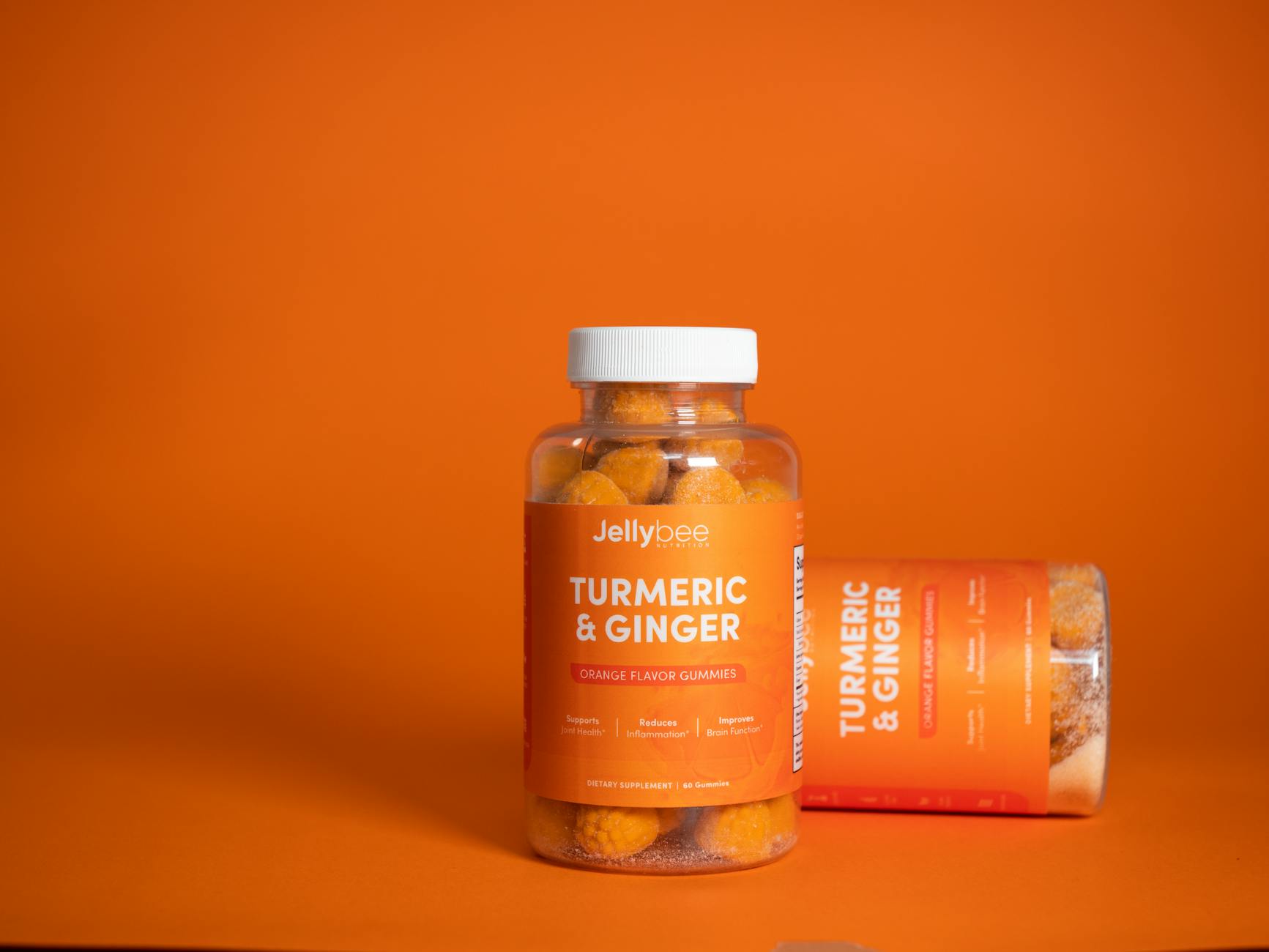
These potent spices are well-known for their anti-inflammatory compounds. Turmeric contains curcumin, and ginger contains gingerol. Incorporate them into your cooking – add fresh ginger to your stir-fries or tea, and turmeric to curries, soups, or even roasted vegetables. A simple ginger-turmeric tea can be a soothing and beneficial drink. Explore more spice benefits.
Real-Life Impact
Sarah, a busy mom of two, struggled with persistent joint stiffness and fatigue. After incorporating more berries into her breakfast, switching to olive oil for cooking, and adding a daily dose of ginger to her tea, she noticed a significant improvement in her energy levels and a reduction in her stiffness within a few weeks. She didn't overhaul her entire diet, just made these simple, consistent swaps.
Actionable Checklist
Start Today: Your Anti-Inflammatory Kickstart
- Add a serving of berries to your breakfast or snack.
- Swap your usual cooking oil for extra virgin olive oil.
- Include fatty fish (like salmon) or plant-based omega-3 sources (like flaxseeds) twice this week.
- Add a handful of leafy greens to at least one meal daily.
- Incorporate turmeric or ginger into your cooking or beverages.
Common Mistakes to Avoid
- Relying on Supplements Alone: While supplements can be helpful, they shouldn't replace a whole-foods-based diet. Focus on getting nutrients from food first.
- Overdoing Processed Foods: Highly processed foods, sugary drinks, and excessive refined carbohydrates can actually *promote* inflammation. Limiting these is as important as adding beneficial foods.
- Expecting Overnight Results: Consistency is key. It takes time for dietary changes to impact your body. Be patient and persistent.
Educational only — not medical advice.
Embrace the Power of Your Plate
Making small, consistent changes to your diet can have a profound impact on reducing inflammation and improving your overall well-being. By focusing on these delicious and accessible everyday ingredients, you can take a proactive step towards a healthier, more vibrant you.
Related posts
Busy Weeknights? Easy Recipes for Fast Meals
Discover quick and healthy recipes perfect for busy weeknights. Learn how to prepare delicious meals in under 30 minutes to save time and ea
Read more →
What Daily Habits Boost Longevity?
Discover evidence-aligned daily routines that can help you live a longer, healthier life. Learn practical tips for better sleep, stress mana
Read more →
Small Changes, Big Health Wins: Habits That Actually Stick
Discover simple, sustainable habit changes that boost your health and well-being. Learn practical tips for lasting results.
Read more →