What Small Habits Improve Health Most?
Key takeaways
- Feeling overwhelmed by the idea of a complete health overhaul?
- You're not alone.
- Focus on: Small Changes, Big Health Wins.

Small Changes, Big Health Wins
Feeling overwhelmed by the idea of a complete health overhaul? You're not alone. Many of us think improving our health requires drastic measures, but the truth is, small, consistent changes can have a profound impact. It’s about building habits that stick, not just temporary fixes. These aren't magic bullets, but rather simple adjustments that, over time, can boost your energy, improve your mood, and support your overall well-being.
Let's explore some of the most effective small habits that can truly transform your health, focusing on making them easy to integrate into your busy life. Educational only — not medical advice.
The Power of Tiny Tweaks
The key to sustainable healthy habits lies in their simplicity and consistency. Instead of aiming for a marathon, we’re talking about a series of short, manageable sprints. These small wins build confidence and momentum, making it easier to continue on your health journey.
Hydration: The Unsung Hero
It sounds basic, but drinking enough water is foundational for countless bodily functions. From digestion and nutrient absorption to energy levels and skin health, proper hydration is critical. Many people underestimate how much water they truly need. A simple way to start is by keeping a water bottle handy at all times. For instance, Sarah, an office manager, started her day with a full glass of water and refilled her bottle every time she got up from her desk. Within a week, she noticed she felt less sluggish in the afternoons.
Mindful Eating: Savor Every Bite
This isn't about restrictive diets; it's about paying attention to your food. Slowing down, chewing thoroughly, and noticing the tastes and textures can improve digestion and increase satisfaction, often leading to eating less overall. Try putting your fork down between bites or turning off distractions during meals.
Movement Snacks: Integrate Activity
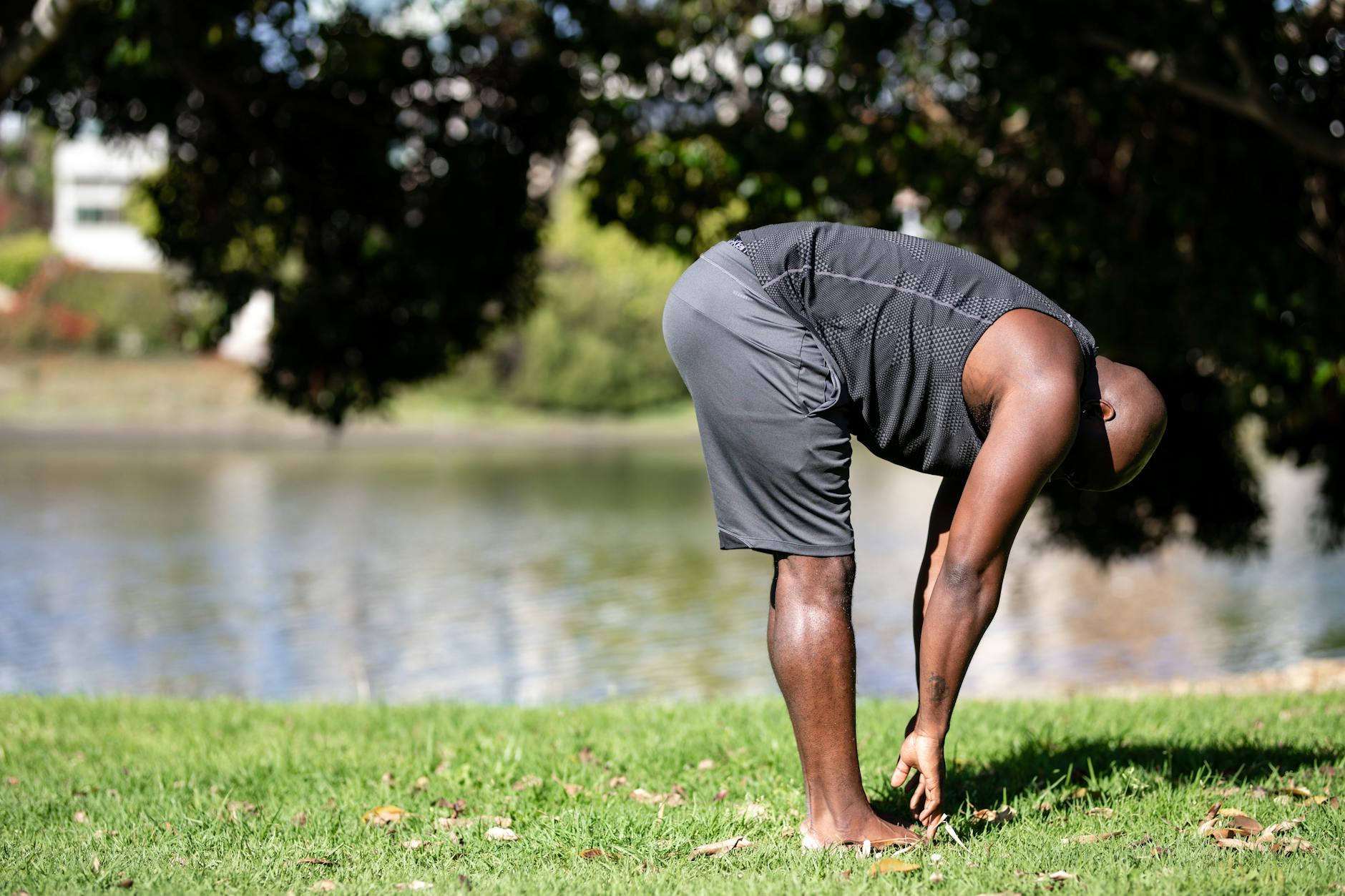
You don't need an hour at the gym. Short bursts of activity throughout the day count! Take the stairs, walk during phone calls, or do a few stretches while watching TV. These 'movement snacks' add up and keep your body from staying sedentary for too long. You can find great ideas for quick home workouts that fit into any schedule.
Prioritize Sleep: Your Body's Recharge
Consistent, quality sleep is vital for physical and mental recovery. Aim for a regular bedtime and wake-up time, even on weekends. Creating a relaxing bedtime routine – like reading a book or taking a warm bath – can signal to your body that it's time to wind down. Learn more about how sleep impacts your health.
Small Acts of Mindfulness
Stress can take a toll on your health. Incorporating brief moments of mindfulness can make a big difference. This could be as simple as taking three deep breaths before a stressful meeting or spending five minutes focusing on your surroundings. These practices help ground you and reduce feelings of overwhelm. Explore techniques for managing stress.
Making Habits Stick: A Practical Checklist
Ready to start? Here’s a simple checklist to help you implement these small habits:
- Hydration Goal: Keep a water bottle within reach and aim to refill it at least twice a day.
- Mindful Meal Moment: Choose one meal a day to eat without distractions, focusing on your food.
- Movement Burst: Incorporate at least two 5-minute 'movement snacks' into your day (e.g., walk, stretch).
- Wind-Down Routine: Commit to a 15-minute relaxing activity before bed.
- Breathing Break: Practice 1 minute of deep breathing when you feel stressed.
Common Mistakes to Avoid
When adopting new habits, it's easy to fall into common traps:
- Trying Too Much Too Soon: Overloading yourself with too many new habits at once. Start with one or two.
- All-or-Nothing Thinking: Believing that missing one day means you've failed. Just get back on track the next day.
- Ignoring Your Body's Signals: Pushing yourself too hard or not listening to when you need rest.
- Lack of Planning: Not thinking about *when* and *how* you'll implement the habit. Preparation is key.
The Long Game of Health
Building healthy habits is a marathon, not a sprint. The cumulative effect of these small, consistent actions is what truly drives long-term health and well-being. Remember that progress isn't always linear, and that's perfectly okay. Celebrate your small wins and be patient with yourself. For more insights, check out our articles on healthy eating recipes and the benefits of improving your gut health.
Frequently Asked Questions
How quickly will I see results from small habits?
Results vary, but you might notice subtle improvements in energy or mood within a week or two. Significant changes typically take several weeks to months of consistent practice.
What if I miss a day of my new habit?
Don't worry! One missed day doesn't erase your progress. Simply resume your habit the next day. Consistency over perfection is key.
How can I make sure my new habits actually stick?
Start small, be consistent, track your progress, and find accountability. Linking new habits to existing routines can also be very effective.
Is drinking coffee part of staying hydrated?
While coffee contains water, its diuretic effect means it doesn't hydrate as effectively as plain water. It's best to count plain water as your primary source of hydration.
How much water is really enough?
General recommendations suggest around 8 cups (64 ounces) per day, but individual needs vary based on activity level, climate, and health status. Listen to your body and drink when you're thirsty.
More in healthy-habits
Small Changes, Big Health Wins: Habits That Actually Stick
Discover simple, sustainable habit changes that boost your health and well-being. Learn practical tips for lasting results.
Read more →
Calorie Counting vs. Awareness: Which Works Better for Sustainable Weight Loss?
Explore the differences between strict calorie counting and mindful calorie awareness for lasting weight loss. Discover practical tips for s
Read more →Related posts
Small Changes, Big Health Wins: Habits That Actually Stick
Discover simple, sustainable habit changes that boost your health and well-being. Learn practical tips for lasting results.
Read more →Calorie Counting vs. Awareness: Which Works Better for Sustainable Weight Loss?
Explore the differences between strict calorie counting and mindful calorie awareness for lasting weight loss. Discover practical tips for s
Read more →
What Small Habits Improve Your Health?
Discover simple, sustainable habit changes to boost your well-being. Small steps for big health improvements.
Read more →