Can You Get Fit Without Gym Equipment?
Key takeaways
- You might be wondering if it's truly possible to build strength, boost your cardio, and improve your overall fitness without stepping foot in a gym or investing in expensive equipment.
- The answer is a resounding yes!
- Focus on: Ready to ditch the gym membership and get moving?.
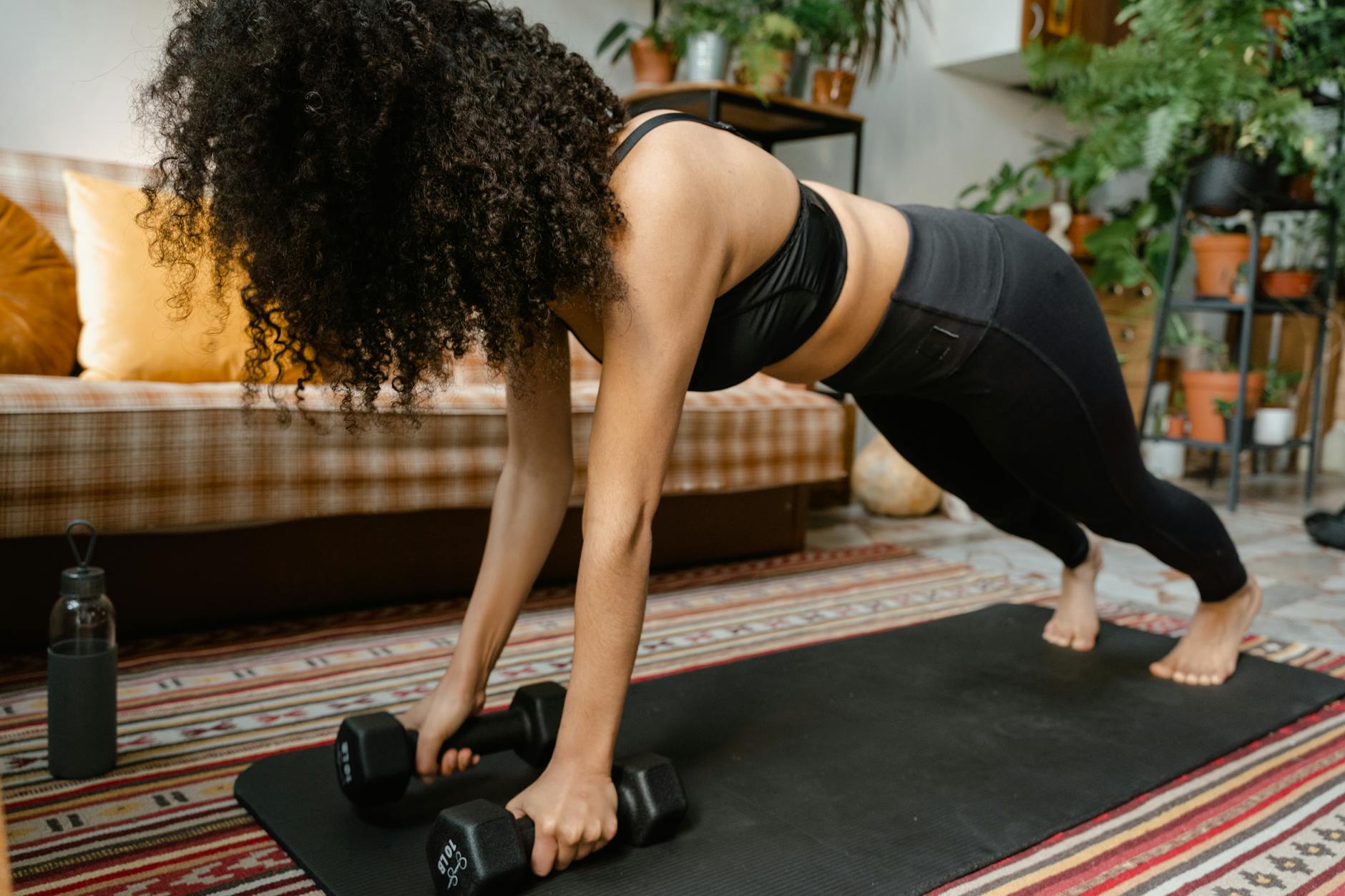
Ready to ditch the gym membership and get moving?
You might be wondering if it's truly possible to build strength, boost your cardio, and improve your overall fitness without stepping foot in a gym or investing in expensive equipment. The answer is a resounding yes! Your own body weight, a little space, and some smart planning are all you need to create effective home workouts that deliver real results.
Forget the idea that you need fancy machines or heavy weights to make progress. Many of the most fundamental and powerful movements rely on your own body. This guide will walk you through how to harness that power for a comprehensive fitness routine right in your living room.
The Power of Bodyweight Training
Bodyweight exercises are incredibly versatile and can be modified to suit any fitness level. They build functional strength, improve balance, and increase endurance. Plus, they're accessible anytime, anywhere.
Strength Building Basics
Focus on compound movements that work multiple muscle groups simultaneously. These are the cornerstones of a no-equipment strength routine:
- Squats: Target your legs and glutes. Start with basic bodyweight squats, and progress to variations like jump squats for added intensity.
- Push-ups: Excellent for your chest, shoulders, and triceps. If regular push-ups are too challenging, start on your knees or against a wall.
- Lunges: Work your legs and improve balance. Try forward, backward, and side lunges.
- Plank: A fantastic core strengthener. Hold a plank on your forearms or hands, keeping your body in a straight line.
- Glute Bridges: Engage your glutes and hamstrings.
Cardio Without the Treadmill
Don't need a treadmill to get your heart rate up! High-intensity interval training (HIIT) using bodyweight exercises is highly effective:
- Jumping Jacks: A classic full-body cardio move.
- High Knees: Mimic running in place, bringing your knees up towards your chest.
- Burpees: A challenging full-body exercise that combines a squat, push-up, and jump.
- Mountain Climbers: Engage your core and get your heart pumping.
Designing Your Home Workout Plan
Consistency is key. Aim for 3-4 workouts per week, allowing for rest days in between. Here’s a sample structure:
Sample Weekly Schedule
- Day 1: Full Body Strength (focus on squats, push-ups, lunges, plank)
- Day 2: Cardio HIIT (jumping jacks, high knees, burpees, mountain climbers)
- Day 3: Rest or Active Recovery (light stretching, walking)
- Day 4: Full Body Strength (try variations of Day 1 exercises)
- Day 5: Cardio HIIT (mix up exercises from Day 2)
- Day 6 & 7: Rest
For example, Sarah, a busy mom, found she could fit in a 20-minute HIIT session during her kids' nap time. She alternates between high knees and push-ups for 45 seconds each, with 15 seconds of rest, repeating the circuit for 15 minutes. She follows this with a 5-minute cool-down stretch.
Actionable Checklist for Your Home Workout
Before you start, consider these steps:
- Clear your space: Ensure you have enough room to move safely.
- Gather essentials: Water bottle, comfortable workout clothes, and a mat if you have one.
- Warm-up: Always start with 5-10 minutes of light cardio and dynamic stretching.
- Focus on form: Prioritize correct technique over speed or quantity.
- Cool-down: Finish with 5-10 minutes of static stretching.
Common Mistakes to Avoid
- Skipping the warm-up/cool-down: This increases injury risk and hinders recovery.
- Poor form: Sacrificing technique for more reps can lead to injuries and less effective workouts. Watch videos and focus on controlled movements.
- Not progressing: Once exercises become easy, you need to challenge yourself more. Increase reps, sets, decrease rest, or try harder variations.
- Inconsistency: Sporadic workouts won't yield the best results. Find a routine that fits your schedule.
Remember, progress isn't always linear. Some days you'll feel stronger than others. Listen to your body and adjust as needed. You can find more tips on building a consistent routine here. For advanced bodyweight movements, check out this resource. Learning proper breathing techniques can also enhance your workouts, see more on that. Don't forget the importance of recovery; read about it here. Finally, integrating mindfulness can boost your home workout experience, learn how here.
Educational only — not medical advice.
Frequently Asked Questions
Can I really build muscle with just bodyweight exercises?
Yes, you can build and tone muscle with bodyweight exercises, especially when you focus on progressive overload (making exercises harder over time) and proper nutrition. It might take longer to see significant hypertrophy compared to heavy weightlifting, but it's definitely achievable.
How often should I do home workouts?
Aim for 3-5 days per week, ensuring you include rest days for muscle recovery. Listen to your body; if you feel overly fatigued, take an extra rest day.
What if I can't do a full push-up or squat?
Modify the exercises! For push-ups, start on your knees or against a wall. For squats, reduce the range of motion or use a chair for support. The key is to start where you are and gradually build up.
How long does it take to see results?
Results vary based on individual factors like consistency, intensity, diet, and starting fitness level. However, many people start noticing improvements in strength and endurance within 4-6 weeks.
Start Moving Today!
Getting fit at home without equipment is not only possible but also incredibly empowering. By incorporating simple, effective bodyweight movements into your routine and staying consistent, you can achieve your health and fitness goals. Lace up your sneakers, clear some space, and discover the strength you already possess!
Related posts

What Foods Naturally Lower Body Inflammation?
Discover everyday foods that can help reduce inflammation in your body. Simple dietary changes for a healthier you.
Read more →
Busy Weeknights? Easy Recipes for Fast Meals
Discover quick and healthy recipes perfect for busy weeknights. Learn how to prepare delicious meals in under 30 minutes to save time and ea
Read more →
What Daily Habits Boost Longevity?
Discover evidence-aligned daily routines that can help you live a longer, healthier life. Learn practical tips for better sleep, stress mana
Read more →