When Should You Eat for Optimal Gut Health?
Key takeaways
- Think of your gut as a bustling city, home to trillions of bacteria, fungi, and other microbes.
- This complex ecosystem, known as the gut microbiome, plays a starring role in everything from digestion and nutrient absorption to immune function and even mood.
- Focus on: Your Gut: More Than Just Digestion.
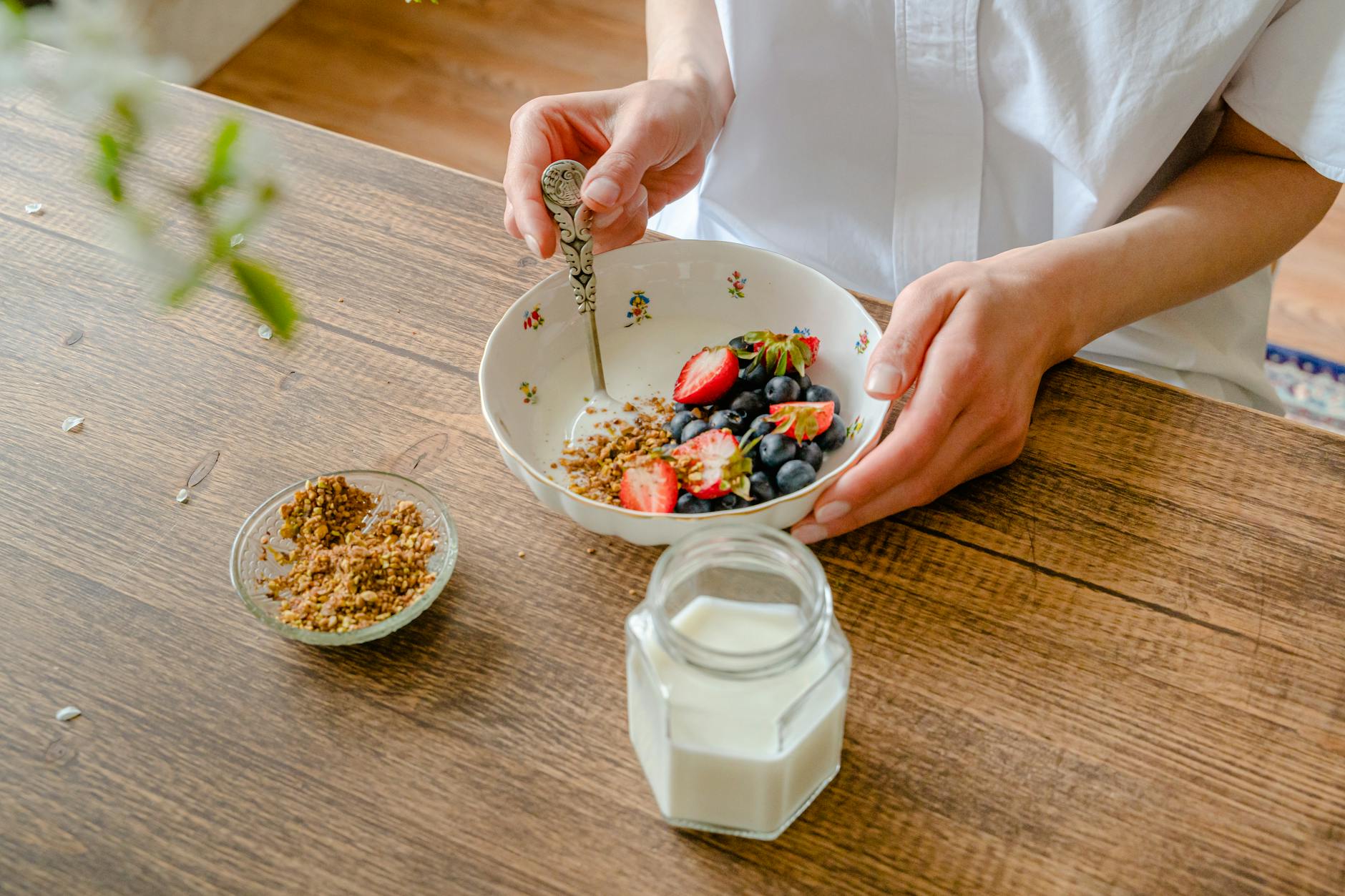
Your Gut: More Than Just Digestion
Think of your gut as a bustling city, home to trillions of bacteria, fungi, and other microbes. This complex ecosystem, known as the gut microbiome, plays a starring role in everything from digestion and nutrient absorption to immune function and even mood. Keeping this city running smoothly is crucial for overall well-being.
While we often focus on what we eat, when we eat can be just as important for nurturing our gut health. Let's explore how meal timing, combined with the power of fiber and fermented foods, can make a real difference.
The Power Trio: Fiber, Fermented Foods, and Timing
Nourishing your gut involves a multi-pronged approach. Fiber acts as food for your beneficial gut bacteria, helping them thrive. Fermented foods introduce beneficial microbes directly into your system. And meal timing can help regulate your digestive processes.
Fiber: Fueling Your Friendly Flora
Dietary fiber is a superstar for gut health. It passes through your digestive system largely undigested, acting as a prebiotic – food for the good bacteria in your gut. These bacteria ferment the fiber, producing short-chain fatty acids (SCFAs) like butyrate, which are vital for gut lining health and reducing inflammation. Aim to include a variety of fiber sources like fruits, vegetables, whole grains, and legumes.
Fermented Foods: A Shot of Goodness
Fermented foods, like yogurt with live cultures, kefir, sauerkraut, kimchi, and kombucha, are packed with probiotics – live beneficial microorganisms. Regularly incorporating these into your diet can help diversify your gut microbiome and support its resilience. Think of it as adding helpful residents to your gut city.
Meal Timing: Setting a Digestive Rhythm
Our bodies thrive on routine, and our digestive system is no exception. Eating meals at consistent times can help regulate your gut's natural rhythms, known as circadian rhythms. This consistency can improve digestion, nutrient absorption, and even sleep quality, which is closely linked to gut health. For many, this means trying to avoid late-night eating, which can disrupt digestion and sleep.
Putting It All Together: Practical Tips for Your Day
Here’s how you can weave these elements into your daily routine:
Start Your Day Right
A fiber-rich breakfast can set a positive tone for your gut. Consider oatmeal topped with berries and seeds, or a smoothie with spinach, fruit, and a spoonful of plain yogurt.
Midday Nourishment
Lunch is a great opportunity to load up on diverse vegetables and lean protein. A lentil soup with a side of kimchi, or a salad with grilled chicken and a variety of greens, can provide sustained energy and gut-friendly nutrients.
Mindful Evening Meals
Try to finish your main meal a few hours before bedtime. This gives your digestive system time to work without being overloaded when your body should be preparing for rest. A lighter dinner, perhaps grilled fish with steamed vegetables, can be a good choice.
Snack Smart
If you need a snack, opt for gut-friendly choices like a small handful of almonds, an apple with almond butter, or a small serving of kefir. These options provide fiber and/or probiotics without being too heavy.
Real-Life Example: Sarah's Gut Journey
Sarah, a 35-year-old marketing manager, struggled with occasional bloating and discomfort. She realized she often ate dinner very late, sometimes after 9 PM, and her diet lacked variety. By shifting her dinner time to around 7 PM and consciously adding more vegetables, whole grains, and a serving of plain yogurt daily, she noticed a significant improvement in her digestion and energy levels within a few weeks. She also started incorporating sauerkraut into her lunches a couple of times a week. This simple shift in when and what she ate made a big difference.
Common Mistakes to Avoid
- Skipping Breakfast: This can lead to overeating later and disrupt your body's natural hunger cues.
- Late-Night Eating: Eating heavy meals close to bedtime can interfere with digestion and sleep quality.
- Not Enough Fiber: A diet low in fiber starves your beneficial gut bacteria.
- Relying Solely on Supplements: While helpful for some, whole foods are the best source of fiber and probiotics.
Actionable Checklist for Better Gut Health
- [ ] Aim for consistent meal times, especially dinner.
- [ ] Include at least one serving of fiber-rich foods (fruits, veggies, whole grains) at each meal.
- [ ] Add a fermented food (yogurt, kefir, sauerkraut) to your diet a few times a week.
- [ ] Try to finish eating 2-3 hours before bed.
Nurturing your gut health is an ongoing process, but by paying attention to when you eat and ensuring you're getting enough fiber and fermented foods, you can make significant strides towards a healthier, happier digestive system. Educational only — not medical advice.
For more insights on digestive wellness, check out our articles on managing stress for better health, the benefits of a good night's sleep, incorporating anti-inflammatory foods, simple healthy habits to adopt, and recipes for a balanced diet.
Frequently Asked Questions
What is the best time to eat for gut health?
While individual needs vary, aiming for consistent meal times and finishing your last meal 2-3 hours before bed is generally beneficial for digestive rhythm.
How much fiber do I need daily?
Most adults need 25-30 grams of fiber per day. Gradually increase your intake to avoid digestive upset.
Can I eat fermented foods every day?
Yes, incorporating fermented foods regularly can be beneficial. Start with small amounts if you're new to them.
Is eating late at night bad for my gut?
Eating heavy meals close to bedtime can disrupt digestion and sleep, potentially impacting gut health. It's generally advised to allow your digestive system a break overnight.
How quickly can I expect to see results?
Improvements in gut health can vary, but many people notice positive changes in digestion and well-being within a few weeks of consistent healthy eating habits.
More in gut
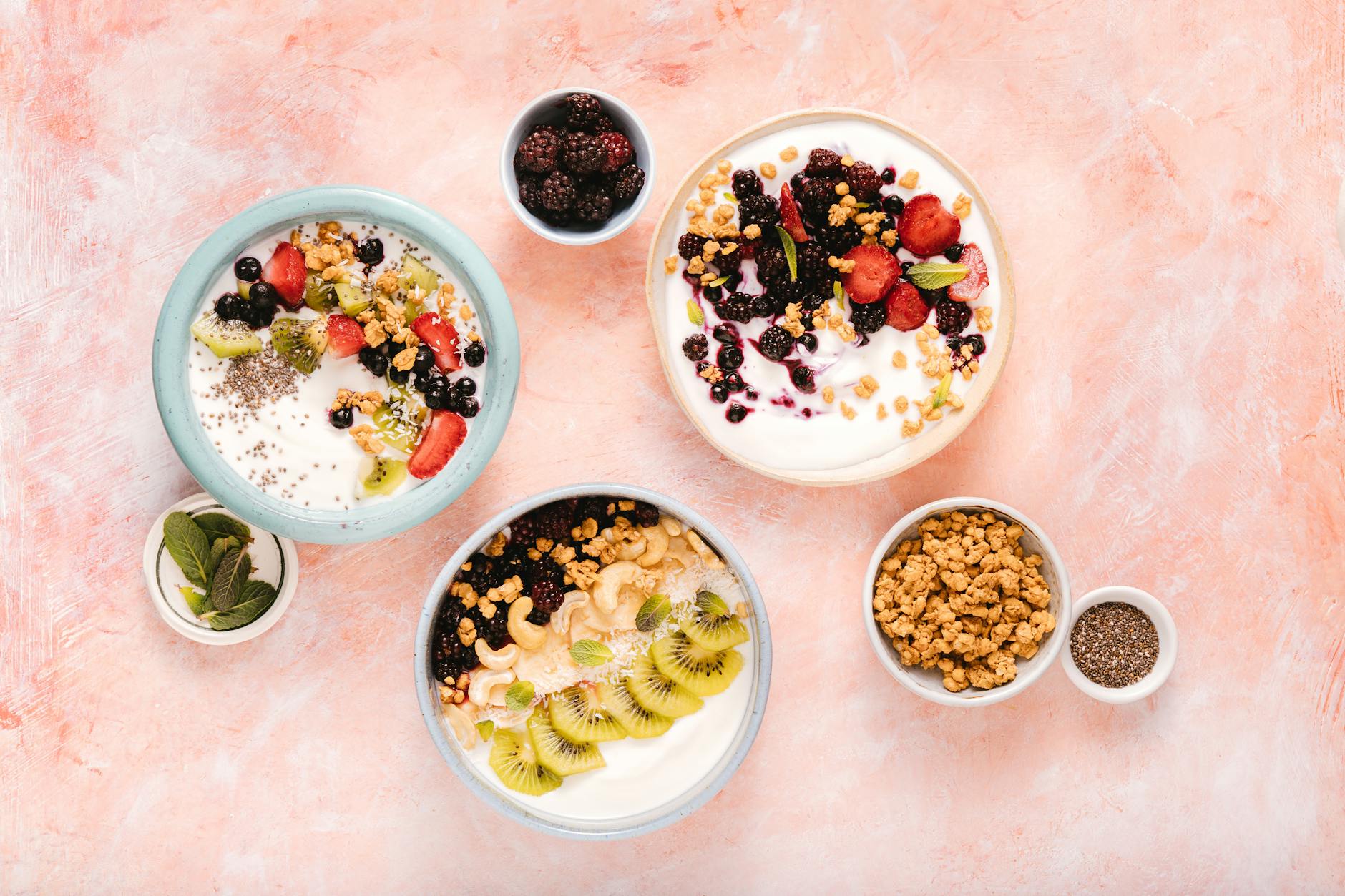
Can Fermented Foods Improve Digestion? Plus Fiber & Meal Timing Tips
Explore how fiber, fermented foods, and meal timing can support your gut health. Get practical tips for better digestion and overall wellnes
Read more →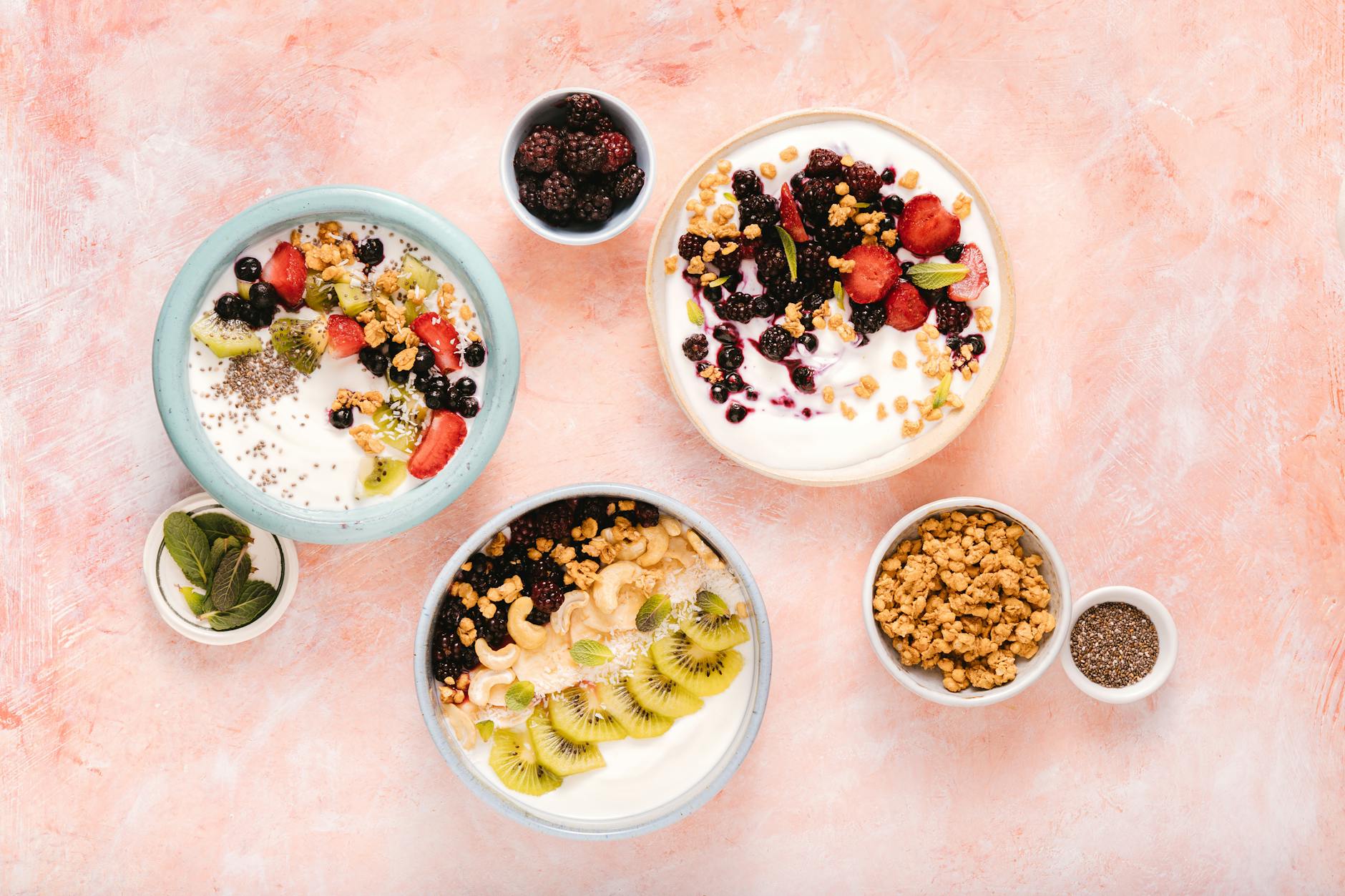
Fiber vs. Fermented Foods: Which Boosts Gut Health?
Explore the roles of fiber and fermented foods in gut health. Learn practical tips to incorporate both for a happier, healthier gut.
Read more →Related posts
Can Fermented Foods Improve Digestion? Plus Fiber & Meal Timing Tips
Explore how fiber, fermented foods, and meal timing can support your gut health. Get practical tips for better digestion and overall wellnes
Read more →Fiber vs. Fermented Foods: Which Boosts Gut Health?
Explore the roles of fiber and fermented foods in gut health. Learn practical tips to incorporate both for a happier, healthier gut.
Read more →
What's the Best Way to Prepare for Sleep?
Discover effective bedtime routines and wind-down habits to improve your sleep quality. Learn practical tips for a more restful night.
Read more →